12019-02-17T21:26:41+00:00Paul A. Harris0462def817acd13db43634107b67e5f0f737f3f121plain2019-02-17T21:26:41+00:002011042215485420110422154854DSCN0183Paul A. Harris0462def817acd13db43634107b67e5f0f737f3f1
This page is referenced by:
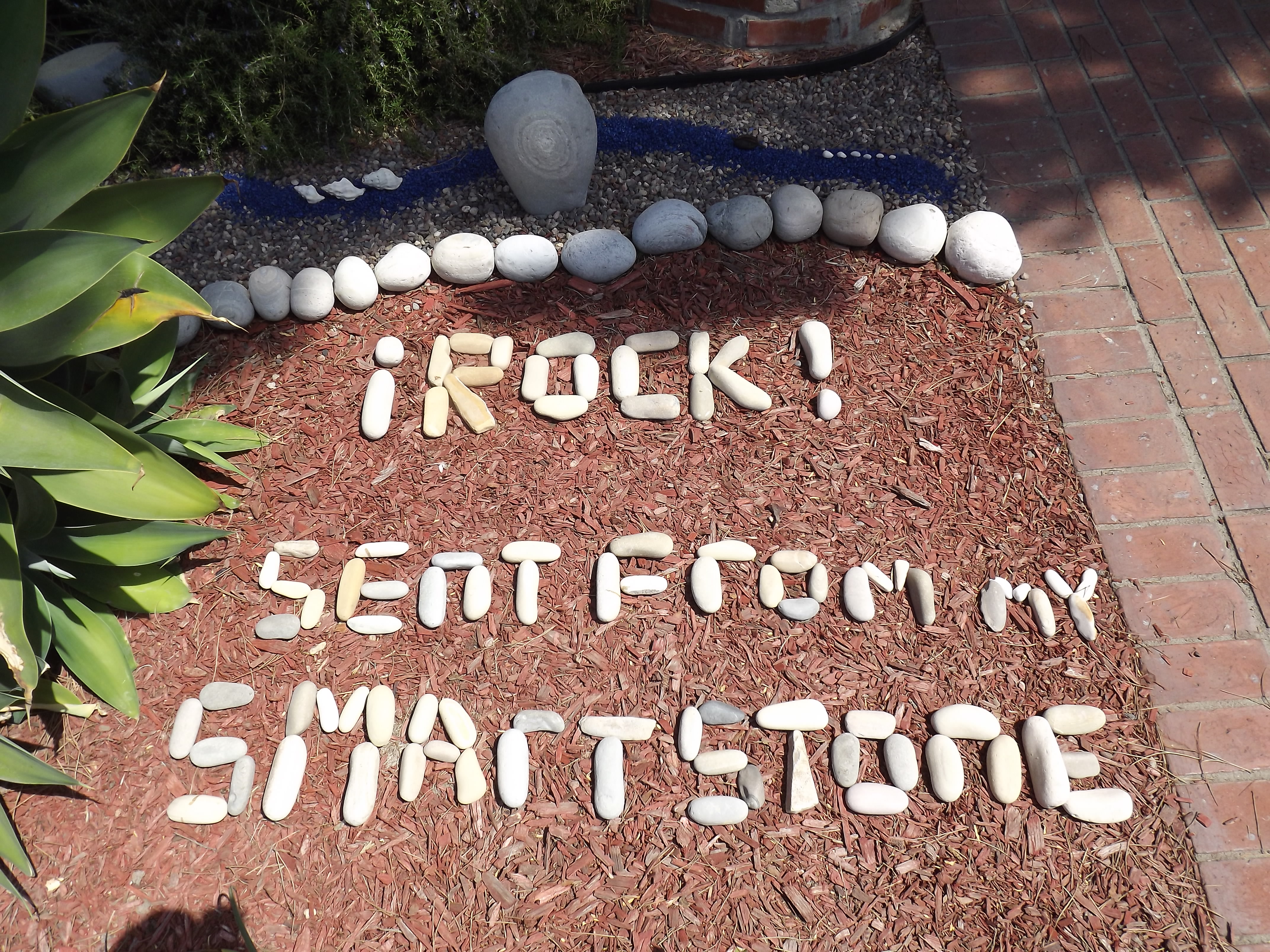
12019-02-17T21:41:46+00:00I Rock12plain2019-03-02T22:24:22+00:00The verb to rock means to compose with rocks, to play with rocks, to put them in the garden, to form them into words.
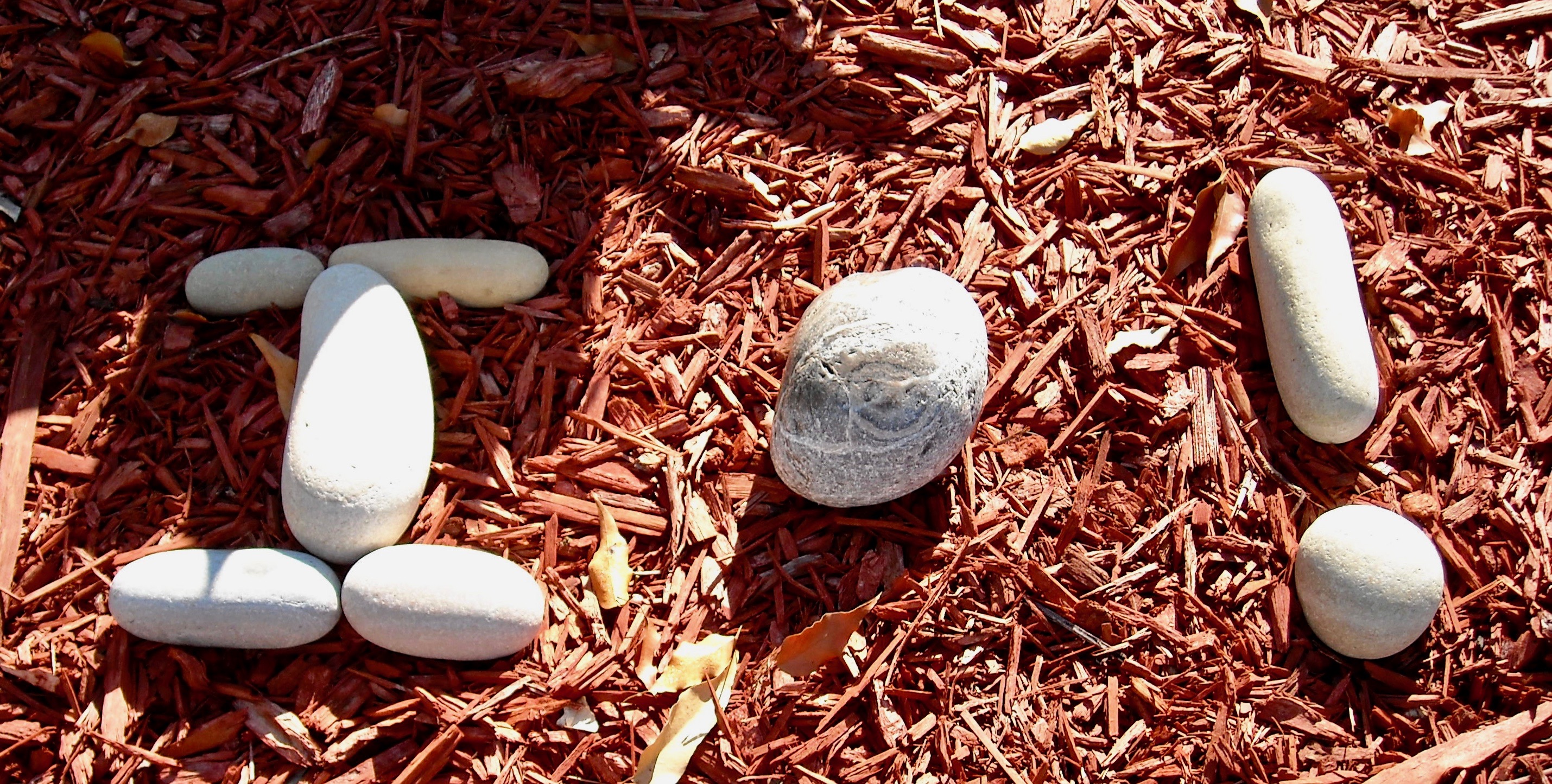
Pierre Jardin's rudimentary statement, his initial written gesture, making the minimal declaration, was "I rock!"--which presents the present act "I rock" and juxtaposes stones as letters to rock denoting "rock," so that the reader says a word for an object that they see, as if act and rock united in a performative statement that refers to nothing beyond itself.
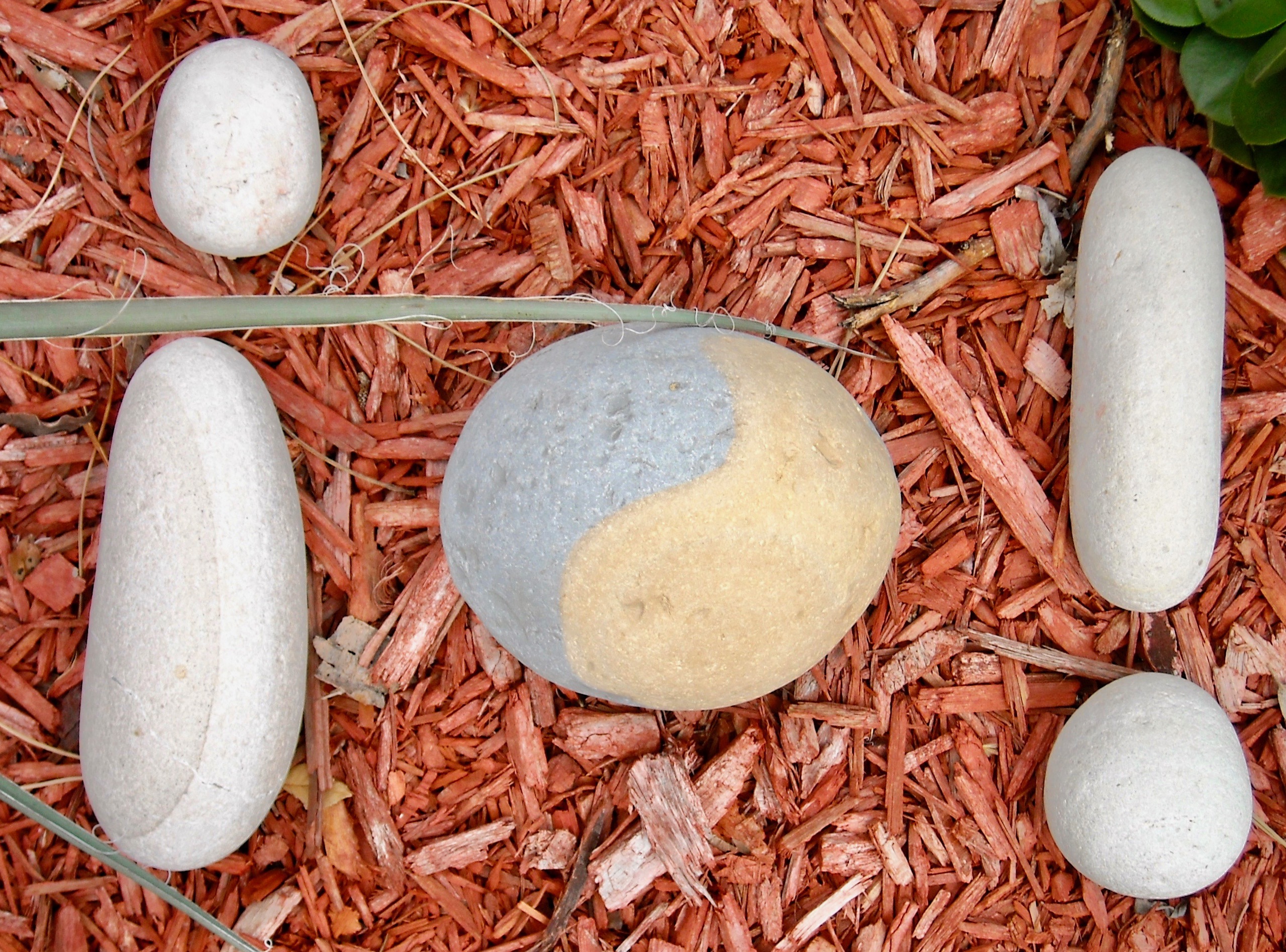
The statement progressed from a rudely fashioned rebus, to using the small case i and exclamation point to fashion a visual palindrome.
The symmetry between signifiers is repeated in the mirroring blue & beige colors divided by a line mimicking the yin yang symbol. "I rock" was thereby connected to a Taoist sensibility, connoting an act of Zen gardening.
"I ROCK!" then became a bold claim, broadcasted as a text message transmitted by a Stone Age tool.