12018-08-06T22:48:48+00:00Paul A. Harris0462def817acd13db43634107b67e5f0f737f3f121Calvino, Mr Palomarplain2018-08-06T22:48:48+00:00Paul A. Harris0462def817acd13db43634107b67e5f0f737f3f1
This page is referenced by:
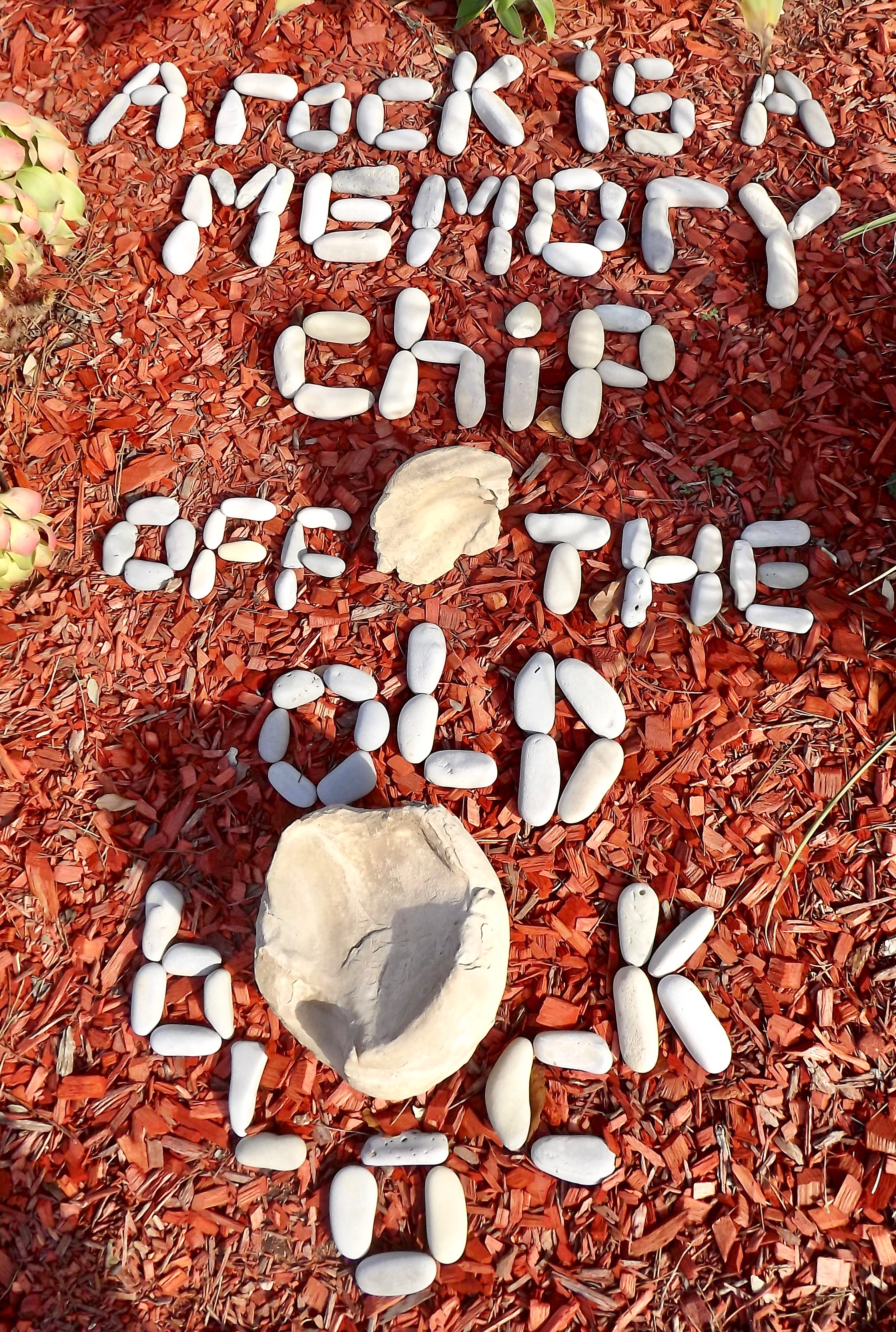
12018-08-06T22:26:55+00:00Planet Earth in the Petriverse10plain2018-08-13T18:07:02+00:00When Pierre Jardin stumbled on these two sandstones in the Yuha desert, it looked as if the small one had broken off of the big one. "The phrase ‘a chip off the old block’ just flashed in my brain," he said. Then, when he installed them in his garden, he was struck dumb by a BIG idea: every rock is a chip off the planetary block; chips is to rock as rock is to earth. "These two rocks made a third materialize," Jardin exclaimed, "the third rock from the sun, right here in my garden!"
Probing further, Jardin realized that this scaling relation in size also holds true for time. Rocks store telluric energies in concentrated form; composed of many compressed materials, they carry multiple histories. Jardin thus thinks of stones as tectonic "memory chips," or archives of earth history. As Francis Ponge pointedly puts it in "The Pebble," "All rocks descended by schizogenesis from the same enormous ancestor.”
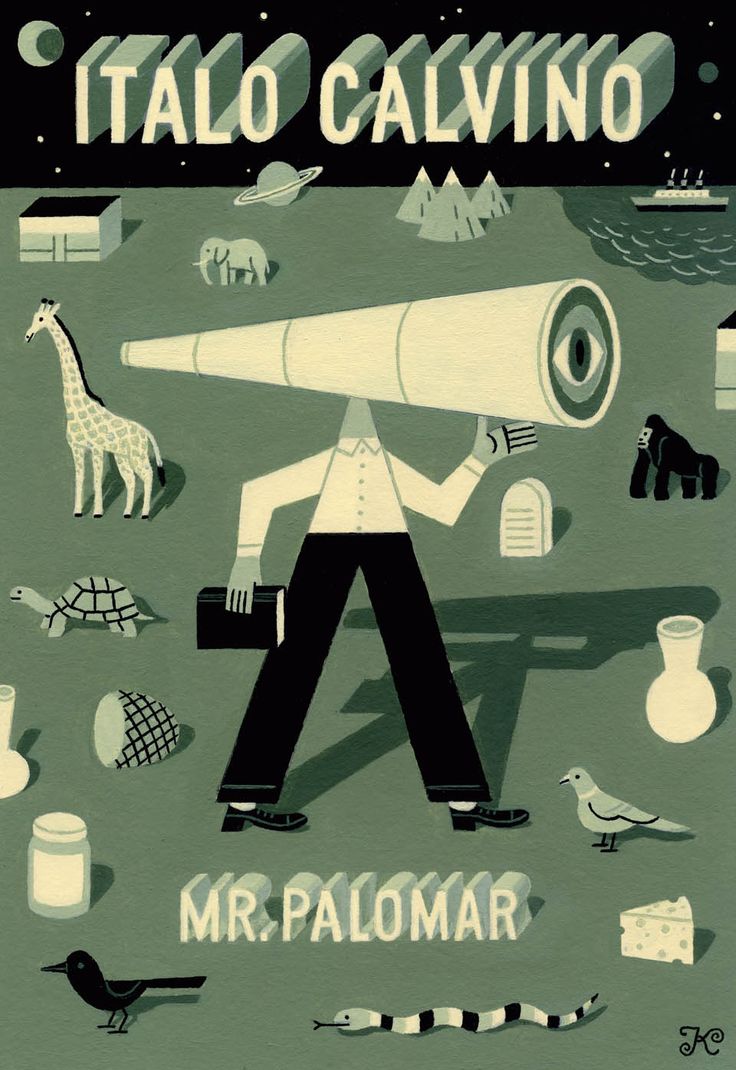
Asked to describe this close encounter with earth in his garden, Jardin compared it to two other mind-bending mirrorings of macro- and microcosms: "it was sort of like geologist Jan Zalasiewicz’s earth-history tale The Planet in a Pebble, or the stunning scene in Italo Calvino’s Mr Palomar where he confronts infinity in his front yard." Inspired by Zalasiewicz’s view that "a pebble is a capsule of gigantic stories that reach realms beyond human experience," Jardin now imagines the sandstone chip and block as the moon breaking off of the proto-earth 4.5 billion years ago. "I know my garden is just a tiny bloc of space-time," he marveled, "yet surprisingly often, it suddenly expands to cosmic dimensions and takes me time-traveling!"