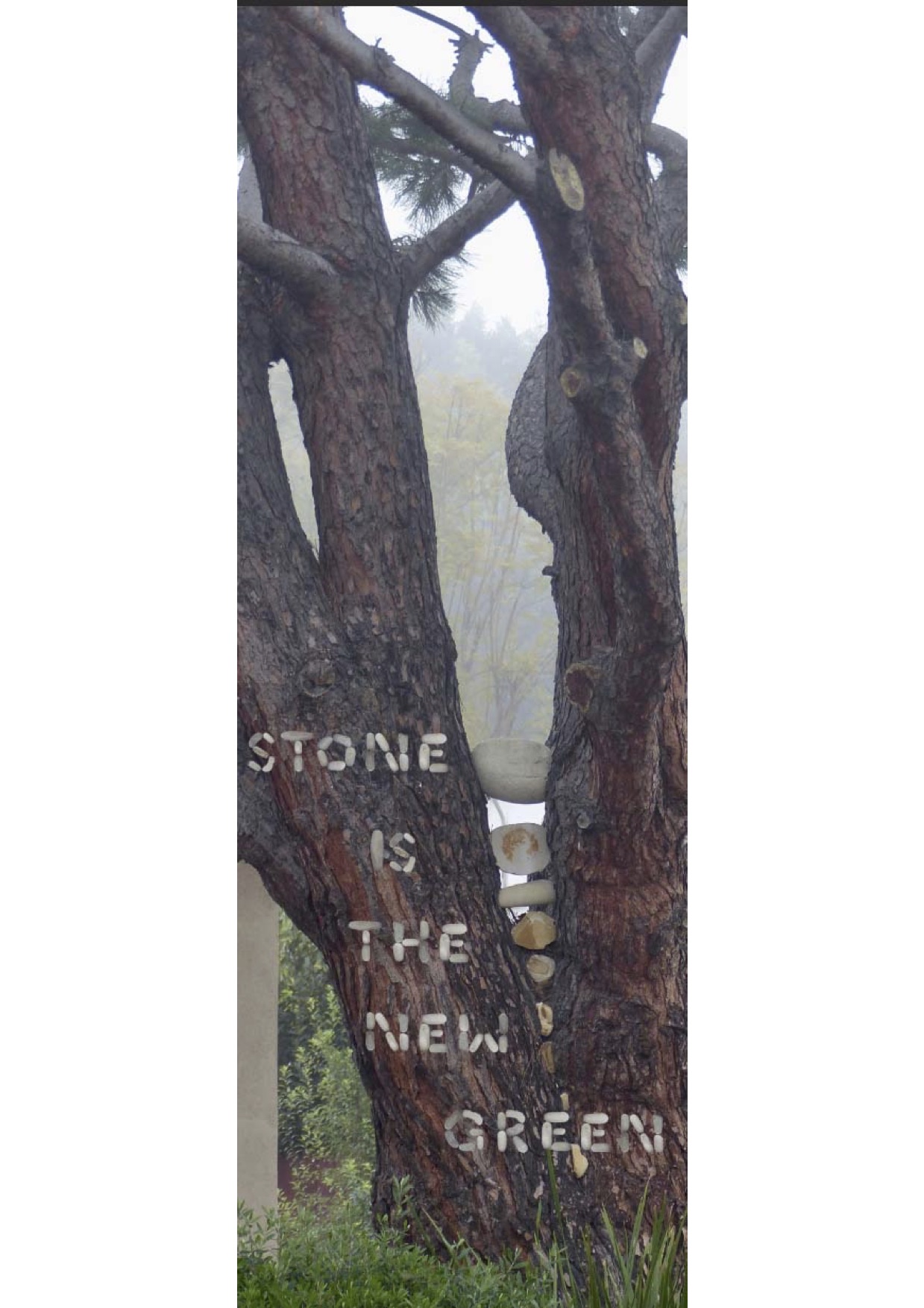
Stone is the new green tree
1 2019-01-12T22:25:08+00:00 Paul A. Harris 0462def817acd13db43634107b67e5f0f737f3f1 2 1 plain 2019-01-12T22:25:08+00:00 Paul A. Harris 0462def817acd13db43634107b67e5f0f737f3f1This page is referenced by:
-
1
2019-01-10T19:35:44+00:00
Table of Contents
24
plain
2019-07-07T15:59:51+00:00
This digital dissemination of The Petriverse is organized into two topoi, Garden and Library, which correspond to the two meanings of Pierre Jardin's neologism.
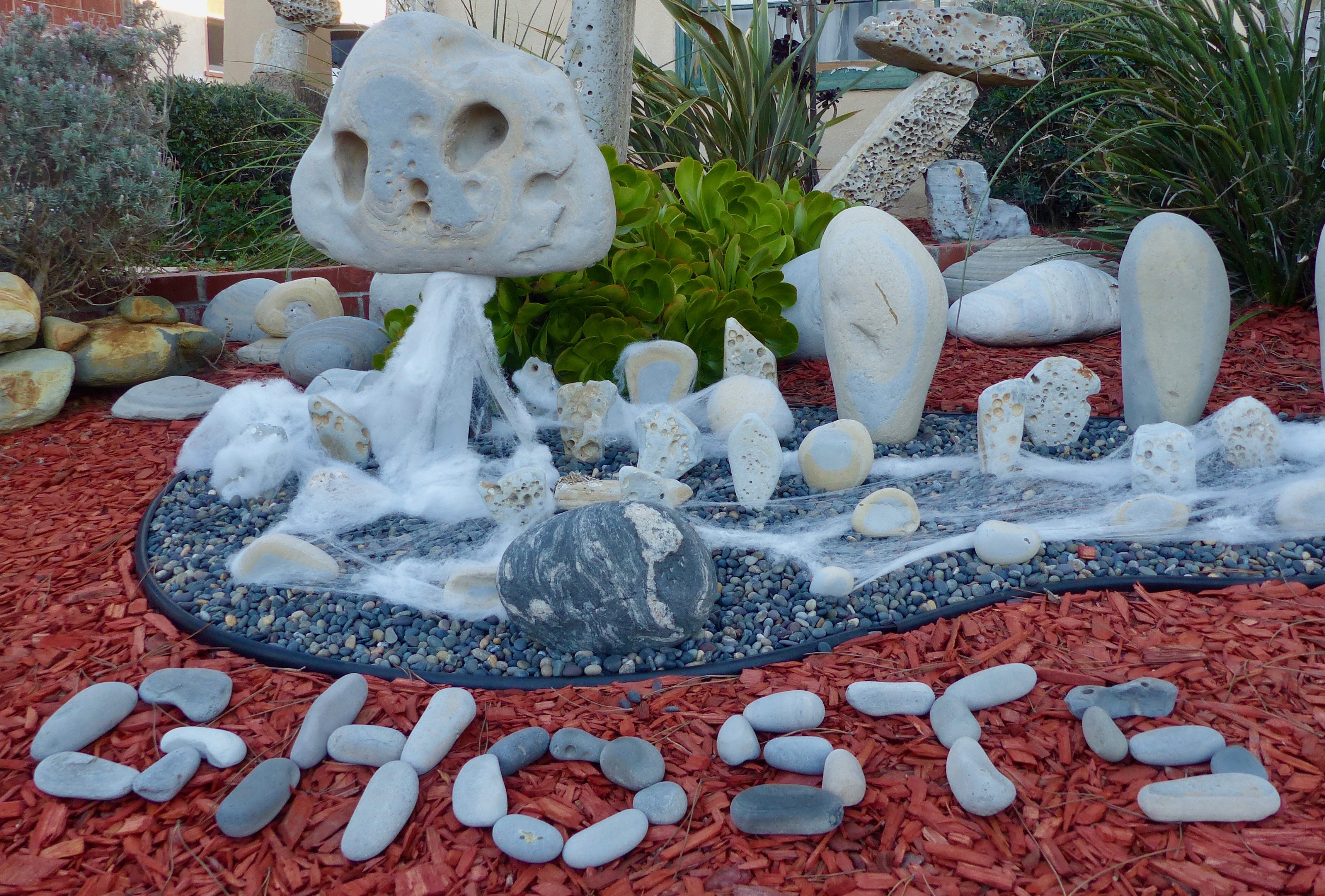
The Petriverse Garden, a world composed of rocks, is a space of telluric lurings which introduces visitors to petric practices such as rock-fishing and stone-stacking, shows them displays of igneous ligneous inosculation, and exposes them to a micro-cosmic megalithic force field in which temporal anomalies have been detected. It is a ludic world in which uncanny presences manifest themselves in haunting images.
The Petriverse Library, comprising words composed of rocks, houses two collections of eclectic writings, separated into philosophical and literary registers. The Library of Stoned Thinking includes work in Animaterialist philosophy inspired by the axiom ‘stone is the new green,’ a curious cabinet of Philosophers’ Stones, and a free and easy wandering down the Daoist way of Chinese stone appreciation. The Library of Petric Poetics develops a semiotics of signifying stones, and presents work in new genres, including the Geo-ode and Rockery Reveries.
This digital rendition of The Petriverse of Pierre Jardin reveals an arboreal structure: reading these first pages, you have moved up the trunk of the tree. Now the trunk forks into branches. These main branches will fork into smaller ones. When you have gone all the way out on a limb (reached the end of the last path of a main branch), your crowning achievement will be rewarded with another main branch to explore.
And now, dear Reader, it is time to discern your path. Each section below will fork into multiple paths, which you may read in order or hop about in from one to another. Enjoy your journey!
Follow Pierre Jardin's compositions of a life in stone cultivated by:
1) collecting and working with stones (The Petriverse Garden);
2) evincing a philosophy that grows organically from these practices (The Library of Stoned Thinking);
3) evoking a language that grows organically from these practices (The Library of Petric Poetics). -
1
2019-01-12T21:52:58+00:00
Stone is the New Green is Old
6
plain
2019-01-12T22:35:22+00:00
"Stone is the New Green" heralds the recognition of stone as "vibrant matter" (Bennett). Posthumanism privileges animals, plant life, ecological systems and the environment, while calling for the protection and conservation of the earth and its inhabitants. It is only logical that the 'geologic turn' in theory would extend this ecological equalizing to stone. The sense that the earth is a volatile rather than stable ground awakens an awareness of lithic energies and human interactions with stone. In Stone: An Inhuman Ecology, Jeffrey Jerome Cohen writes that “Stone’s force is exorbitant yet intimate, engendering or renewing or interrupting relations among bodies, objects, and milieu, eroding the boundary between organic and non-organic” (171).
Samuel Butler predicted this turn over a century ago, writing in his notebooks that "It is generally held that animals feel; it will soon be generally held that plants feel; after that it will be held that stones also can feel. For, as no matter is so organic that there is not some of the inorganic in it, so, also, no matter is so inorganic that there is not some of the organic in it. We know that we have nerves and that we feel, it does not follow that other things do not feel because they have no nerves—it only follows that they do not feel as we do" (110).
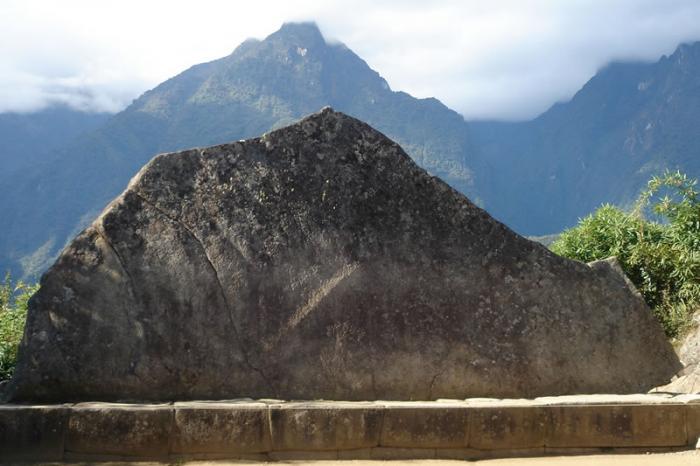
This academic blurring of the boundary between organic and non-organic reverts to or recycles long-held truths among peoples across the earth. Carolyn Dean documents the sacred status granted rocks among Inka peoples in A Culture of Stone (2010), and also points out that "The Ojibwa language of North America … distinguishes between animate and inanimate objects; stones are grammatically animate, and Ojibwas sometimes speak to stones as if they were persons, recognizing the potential for animation in particular rocks under certain circumstances" (Dean, 6). Graham Parkes points out that in ancient Chinese cosmology “our sharp distinction between animate and inanimate (with rocks falling on the lifeless side of the divide)” never obtained (89). Parkes cites Du Wan’s 12th century treatise Yunlin Shipu (The Cloud Forest catalogue of rocks): “The purest energy of the heaven-earth world coalesces into rock. It emerges, bearing the soil…. Within the size of a fist can be assembled the beauty of a thousand cliffs” (Parkes, 92). (This vision of a rock channeling energies of a mountain is evident in the Ceremonial Rock at Machu Picchu.)