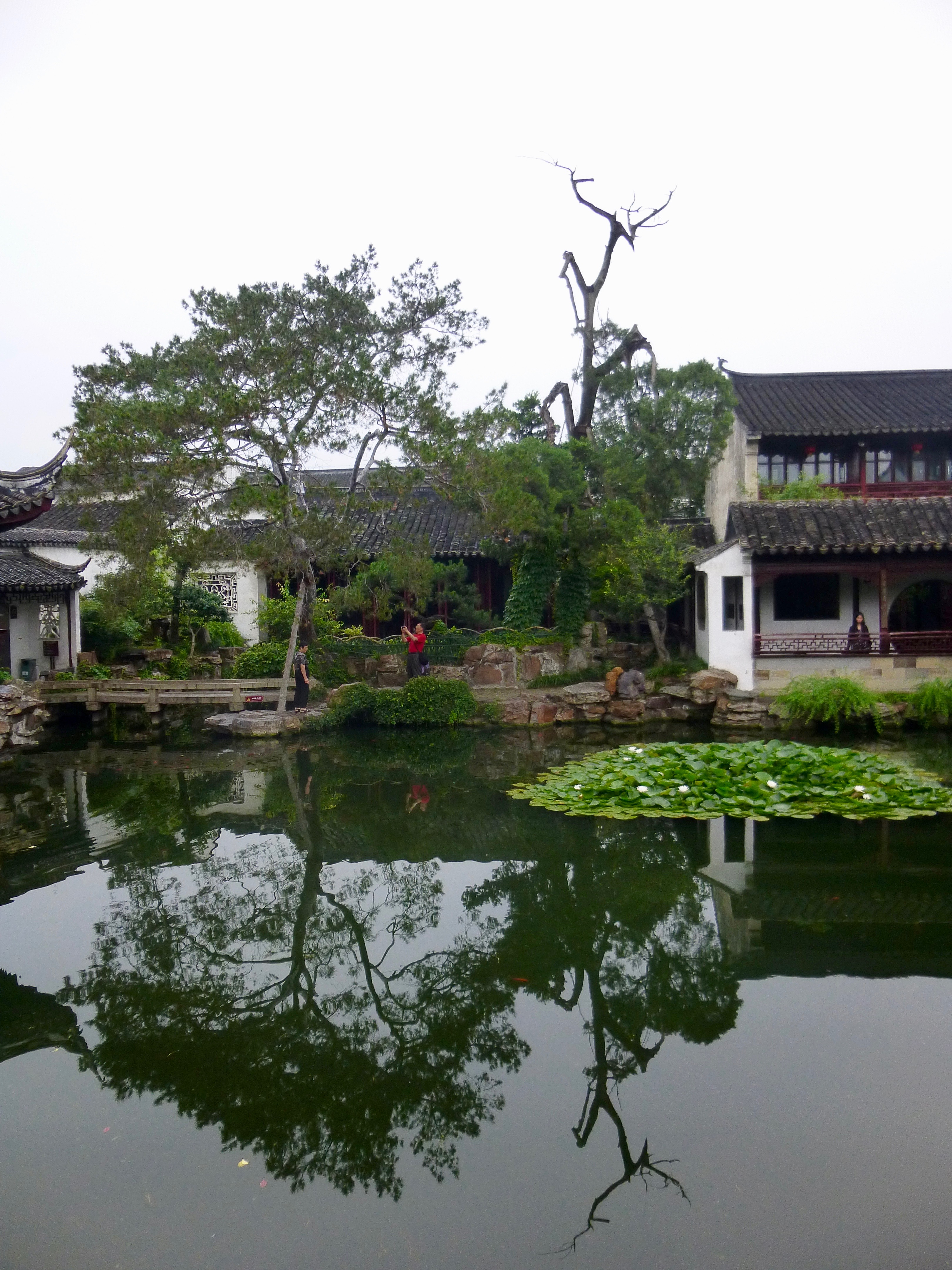
12019-01-13T21:47:20+00:00Paul A. Harris0462def817acd13db43634107b67e5f0f737f3f121A silent osmosis of inside and outside. Pavilion of Accumulated Void, Mater of Nets Garden, Suzhouplain2019-01-13T21:47:20+00:002014062419225020140624192250Paul A. Harris0462def817acd13db43634107b67e5f0f737f3f1
This page is referenced by:
12019-01-13T21:58:59+00:00Absorbing Contemplation1plain2019-01-13T21:58:59+00:00All these modes of expression—gardening, painting, poetry—were ways to engage in a practice of absorption where the line between the contemplative and composition becomes indiscernible. For example, both garden design and painting depend on a double ‘vital spirit,’ one composed of the qi in the living landscape, one by the artist, who creates a ‘harmonious vibration’ in the elements of the work. A mutual “spiritual encounter” and “silent harmony” must be established between artist and landscape (Jullien 163). In order to experience the “limpidity” or “purity” of the wind, for example, the artist must also through contemplation take on those qualities within, as Jullien writes, through the “limpidity” and “purity” of the breath-energy that also irrigates me and changes into spirit” (162). Only by emptying the self, not being occupied with the self, can the landscape’s energies flow into one and emerge as garden/painting.
“Contemplation” in this context, Jullien says, has two meanings: “contemplation of self, freed from importunities and uncleanness, and as a gathering up … of the landscape within oneself” (161). The artist’s task is therefore ethical as well as aesthetic-spiritual; by not meddling in one’s contemplation of the landscape, one does not muddle the energies and one’s resonance with them. This is the way of the Dao—a “carefree” or “free and easy wandering” of the first chapter of the Zhuangzi. What Jullien calls “a silent osmosis between the outside and inside,” enables a landscape to “illuminate itself,” in the phrase from the Zhuangzhi. The painter has to make a complete void within where and so that “mists and clouds and all the brilliance of the world, in concert with the breath-energy that ceaselessly bring to life between heaven and earth” may take shape in the artist and be expressed in the landscape painting or garden (165). Or, again in the words of the Zhuangzhi, once the spirit does not struggle, “then there is painting”—it just happens, as if without agency or intention of the artist, certainly without confrontation or struggle.